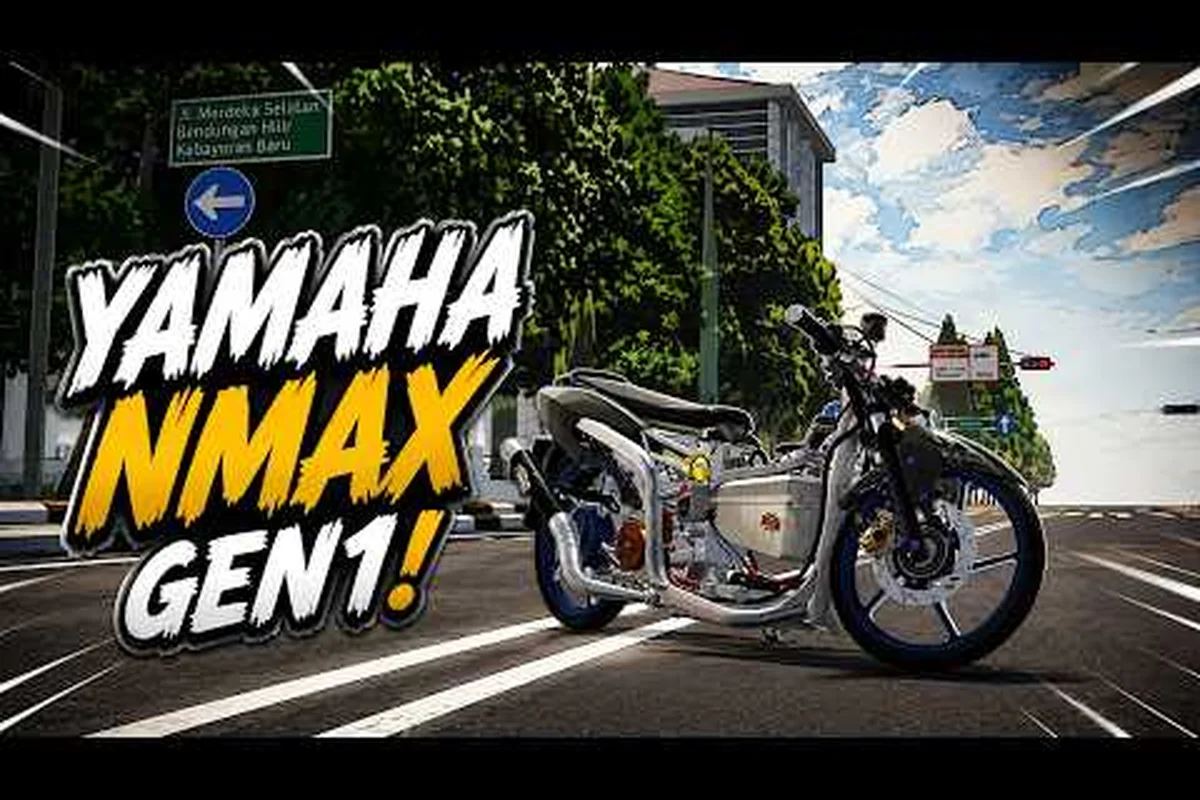
The Yamaha NMAX has quietly become one of the most-used street bikes in Drag Drive Simulator, especially for players who want scooter-style handling without sacrificing drag-strip potential. This guide breaks down every spec, price tier, and tuning route that matters, then compares the NMAX head-to-head against the Aerox rival, the XMAX big-scooter sibling, the Stylo 160cc budget pick, and the Honda ADV adventure alternative.
Yamaha NMAX Overview and Where It Fits in DDS
The NMAX sits in the mid-tier scooter bracket of DDS, slotting comfortably between entry-level commuter bikes and the premium Aerox class. It is not a limited event drop, and it does not require a gamepass to unlock, which makes the Drag Drive Simulator Yamaha NMAX one of the most accessible mid-game performers on the roster. Players who graduate from a starter scooter usually land on the NMAX before they ever touch the Aerox, and community data suggests it remains relevant even after higher-tier bikes are unlocked because of its balanced stat spread.
According to the Drag Drive Simulator on Roblox listing, the game has accumulated more than 561 million visits, which means a large active community constantly shares tuning data and part setups for the NMAX. The bike draws heavy inspiration from the real-world Yamaha NMAX 155, a sport scooter known for its liquid-cooled engine and aggressive urban styling, and DDS translates that reputation into a bike that feels equally at home on city sprints and dedicated drag strips.
Why the NMAX Is a Smart Mid-Game Pick
The NMAX hits a sweet spot because it does not demand the heavy grind that Aerox-class bikes require, yet it still delivers competitive quarter-mile times once tuned. New players often bounce off the Aerox because its stock handling is twitchy and its base price sits in a higher bracket, while the NMAX gives up only a small slice of top speed for a much friendlier price. For most players in the 50k to 200k cash range, the NMAX is the first bike that feels like an actual upgrade rather than a side-grade.
NMAX Base Specs and Performance Stats
The NMAX arrives with a 155cc-class engine profile, front disc braking, and a curb weight that mimics its real-world counterpart at roughly 130 to 140 in-game kilograms. Its stock top speed clocks in around the low-to-mid 200 km/h range once the gearing is maxed, and its 0-100 km/h sprint lands near the four-second mark, which is fast enough to embarrass most starter scooters while still trailing the tuned Aerox by a measurable margin.
| Stat | Stock NMAX | Fully Tuned NMAX | Aerox (Stock) | XMAX 300 (Stock) |
|---|---|---|---|---|
| Top Speed | ~210 km/h | ~245 km/h | ~225 km/h | ~260 km/h |
| 0-100 km/h | ~4.2 s | ~3.5 s | ~3.8 s | ~3.0 s |
| Handling | 8/10 | 9/10 | 7/10 | 6/10 |
| Braking | 7/10 | 9/10 | 7/10 | 8/10 |
| Price Tier | Low-Mid | Mid (after parts) | Mid-High | High |
The table shows exactly why the NMAX earns its reputation: it is one of the few bikes in its price band that improves across every stat axis when tuned, whereas competitors often trade one stat for another. The Drag Drive Simulator Yamaha NMAX rewards players who invest in ECU tuning, exhaust swaps, and tire compounds, because the gains compound rather than cannibalize each other.
Acceleration vs. Top Speed
The NMAX leans toward acceleration rather than outright top speed, which matters a lot on the shorter city drag strips that dominate DDS's default rotation. Players chasing long highway pulls will still prefer the XMAX, but the NMAX's 0-100 km/h time of roughly 3.5 seconds after tuning puts it within striking distance of bikes that cost three times as much. The lesson here is straightforward: pick your strip before you pick your bike, and the NMAX will rarely disappoint on anything under a full kilometer.
How to Unlock the NMAX and Best Price Strategies
The NMAX is sold at the standard DDS dealership rather than locked behind a seasonal event or gamepass, which means it is always available regardless of the current rotation. Its base price sits in the low-mid cash bracket, and community reports put the cost somewhere between 45k and 70k in-game currency depending on server economy and ongoing sales. Players who farm RideGO rideshare jobs or Police shifts can usually afford a stock NMAX within their first two to three focused play sessions.
| Acquisition Path | Estimated Cost | Time to Unlock | Notes |
|---|---|---|---|
| Direct dealership purchase | ~45k-70k | Immediate | Most reliable route |
| Anomaly drop (rare) | Free | Variable | Requires active event participation |
| Trade with another player | Negotiable | Fast on active servers | Watch for inflated listings |
| Starter pack rotation | Discounted | Limited windows | Check dealership weekly |
If you are still building your wallet, the money making guide for Drag Drive Simulator covers RideGO shifts, Barista payouts, and anomaly farming in detail. The Drag Drive Simulator Yamaha NMAX rarely appears in the anomaly pool, but the credits earned from anomaly runs fund your dealership purchase comfortably.
Tuning the NMAX Without Blowing the Budget
Tuning is where the NMAX separates from stock-scooter mediocrity, and the build order matters more than the total spend. Start with the ECU remap because it offers the biggest single-part gain, then move to a full exhaust system, then invest in a tire compound suited to your most-run strip surface. Players who follow this order tend to hit roughly 90 percent of the NMAX's theoretical ceiling without overspending on cosmetic parts that do not move any performance numbers.
The same priority list applies whether you are running the Drag Drive Simulator Yamaha XMAX comparison build or staying loyal to the smaller-displacement NMAX, because the engine architecture is closely related in the real world and DDS replicates that lineage.
NMAX vs. Aerox vs. XMAX vs. Stylo vs. Honda ADV
Comparing the NMAX against the rest of the mid-scooter field is the fastest way to decide whether the bike actually fits your playstyle. Each competitor in this bracket trades something the NMAX offers, so the right pick depends on which stat you value most and which strips you actually run.
| Bike | Best Use Case | Main Strength | Main Weakness | Approx. Price Tier |
|---|---|---|---|---|
| Yamaha NMAX | Mixed city/strip | Balanced handling and accel | Lower absolute top speed | Low-Mid |
| Yamaha Aerox | Pure drag racing | Higher top speed ceiling | Stiff stock suspension | Mid-High |
| Yamaha XMAX | Long highway pulls | Best big-scooter top speed | Sluggish low-speed handling | High |
| Yamaha Stylo 160cc | Budget starter runs | Cheapest entry in class | Limited tuning headroom | Low |
| Honda ADV | Adventure/cross-strip | Off-road traction, tall gearing | High curb weight | Mid-High |
The Drag Drive Simulator Yamaha NMAX is the only bike in this comparison that scores an 8 or higher in both handling and braking at stock, which explains its enduring popularity on technical city circuits. The Aerox is faster in a straight line, but its twitchy front end punishes players who cannot hold a clean line, while the XMAX is genuinely dominant on long pulls but feels lethargic through tight chicanes.
Why the Stylo 160cc Cannot Keep Up
The Yamaha Stylo 160cc is the cheapest way into the mid-scooter bracket, and it is a fine starter bike for absolute newcomers. However, its tuning headroom is limited because the engine displacement is smaller and the parts catalog is thinner. The Drag Drive Simulator Yamaha Stylo platform rewards cosmetic customization more than performance gains, and players who stick with it past the 200k cash mark usually regret not upgrading to the NMAX earlier.
For a closer look at how the Aerox compares to the NMAX in real drag-strip conditions, the Drag Drive Simulator Aerox vehicle breakdown gives a full spec sheet and tuning priority list. The two bikes share a Yamaha engineering lineage, so the Aerox guide complements the Drag Drive Simulator Yamaha NMAX data well when you are deciding which mid-scooter to commit to.
Honda ADV as the Adventure Alternative
The Drag Drive Simulator Honda ADV is the odd one out in this comparison because it leans into adventure-bike geometry rather than scooter ergonomics. Its taller suspension and knobby tire options let it handle cross-terrain strips that the NMAX cannot, but its curb weight costs roughly half a second in the 0-100 km/h sprint. Players who rotate between paved strips and off-road shortcuts will appreciate the ADV, while pure-pavement racers will find the NMAX more responsive.
Tuning the NMAX for Specific Strip Types
Strip-specific tuning is the difference between a competent NMAX and a top-tier NMAX. The default part setup works on most city circuits, but specialized strips reward players who swap tires, gearing, and brake compounds to match the surface and length. Community data shows that a strip-aware NMAX build can close most of the gap to a stock Aerox, especially on tracks under 800 meters.
| Strip Type | Tire Compound | Gearing | Brake Compound | Expected Gain |
|---|---|---|---|---|
| City short sprint (under 400m) | Soft | Short | Stock | +8-12% accel |
| Highway long pull (over 1km) | Hard | Long | Performance | +5-8% top speed |
| Mixed surface | Medium | Balanced | Performance | +4-6% consistency |
| Wet/rainy | Wet-pattern | Short | Performance | +10-15% grip |
The Drag Drive Simulator Yamaha NMAX responds best to soft tires on short sprints because the bike's lower weight lets it launch harder off the line, and short gearing keeps the engine in its powerband all the way through the trap. For longer pulls, swap to hard compound tires and longer gearing to keep the NMAX pulling past 200 km/h, which is the range where the stock gearing starts to fall off.
Tuning Order That Actually Works
Stick to the proven tuning order to avoid wasting credits on parts that do not stack well together. First, remap the ECU to unlock the engine's full rev range, then install a full exhaust system to match the new airflow, then upgrade intake, and only then move to tires and brakes. Skipping the intake step is the most common mistake because intake parts do not visually change the bike, so players assume they are cosmetic.
Players new to the game should pair this guide with the beginner playbook for Drag Drive Simulator to lock in core mechanics like launch timing and gear-shift thresholds before committing serious credits to NMAX parts.
Frequently Asked Questions
Is the Drag Drive Simulator Yamaha NMAX faster than the Aerox?
No, the Aerox holds a small but consistent top-speed advantage over the NMAX on most stock builds, and that gap widens once both bikes are fully tuned. The NMAX fights back with superior handling and a lower entry price, which is why community data still shows the NMAX winning more races in the city-sprint category where line-holding matters more than outright velocity.
Can the Yamaha NMAX beat the XMAX on long highway pulls?
Unlikely, because the XMAX 300 platform has a much larger displacement and a higher top-speed ceiling, which dominates any pull longer than a kilometer. The NMAX can stay close for the first 800 meters, but past that point the XMAX's gearing and engine output pull away steadily, and no amount of tuning closes the gap.
Is the Yamaha Stylo 160cc worth buying over the NMAX?
Only as a temporary starter bike if your wallet is under 30k cash, because the Stylo gets you on the road immediately and lets you start earning through jobs. The Drag Drive Simulator Yamaha Stylo platform lacks the tuning depth of the NMAX, so plan to upgrade within a few days once your balance supports the jump.
Does the Honda ADV compete with the NMAX on paved strips?
The Drag Drive Simulator Honda ADV trades paved-strip performance for off-road versatility, so it loses roughly half a second in the 0-100 km/h sprint against a tuned NMAX. If you rotate between paved and off-road circuits, the ADV is a smart pick, but pure-pavement racers will get more value from the NMAX's lower weight and tighter handling.
How long does it take to fully tune the NMAX?
Expect roughly 80k to 120k in additional credits on top of the base purchase, which translates to three to five focused play sessions if you are running a mix of jobs and races. The Drag Drive Simulator Yamaha NMAX returns solid value because every part category moves a measurable performance number, unlike some competitors where cosmetic parts eat into your tuning budget without delivering speed.